By Nkiruka Nnorom
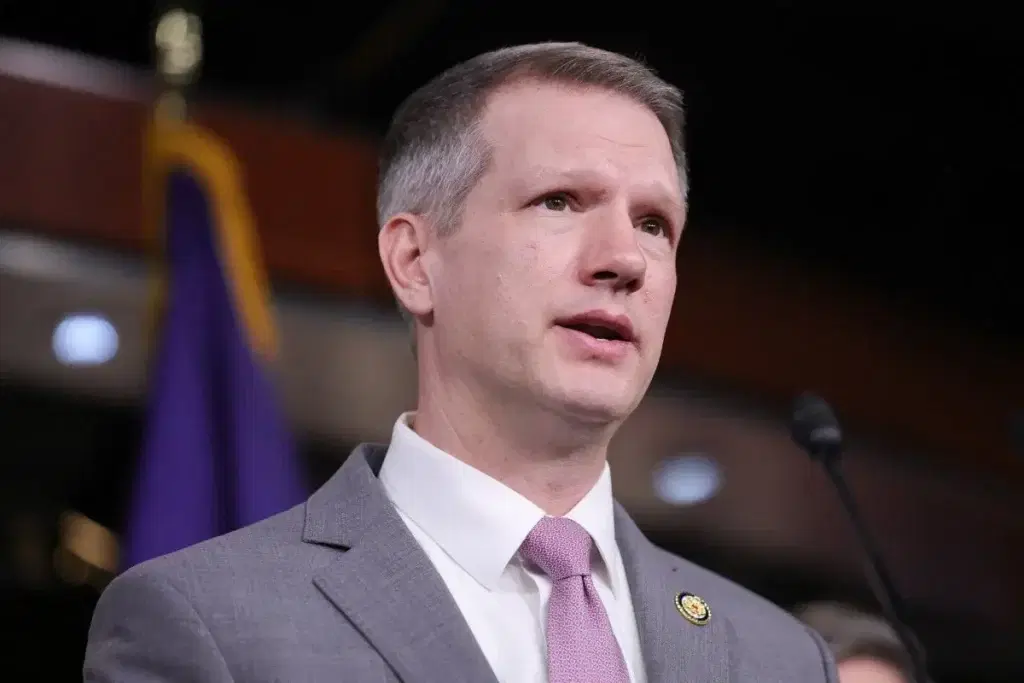
US Congressman Rep Riley Moore has welcomed the passage of Nigeria’s State Police Bill by the House of Representatives, describing it as a key step toward tackling insecurity and the alleged persecution of Christians in the country.
The House of Reps passed the constitutional amendment bill on Thursday during plenary, with 289 lawmakers voting in favour, one against, and one abstention.
The bill seeks to allow Nigeria’s 36 states to establish and operate their own police forces alongside the Federal Nigeria Police Force.
In a post on X, Moore said he has been calling for the creation of state police in Nigeria since U.S. President Donald Trump ordered an investigation into the alleged Christian genocide in Nigeria and had raised it with the First Lady, Oluremi Tinubu, when she visited Washington.
He added that he has made the case repeatedly with every Nigerian delegation he has met.
He said, “I am thankful to see that Nigeria’s House of Representatives passed this important policy that I’ve been calling for since @POTUS first asked me to investigate the genocide against Christians in Nigeria.
“In fact, I raised this idea directly with Nigeria’s First Lady during her visit to Washington and have done so repeatedly with every Nigerian delegation I’ve met with,” Moore said.
He noted that strengthening sub-national governments is critical to improving security outcomes. “Ensuring states can protect their own citizens is a critical step toward ending the persecution of Christians and the overall instability in Nigeria,” he said.
He also credited President Bola Tinubu for backing the legislation. “President Tinubu deserves credit for supporting this legislation and urging its passage through Nigeria’s parliament,” Moore wrote.
The lawmaker noted that there is still work to be done before state-level police forces are operational but called the passage a sign that efforts by the U.S. are paying off.
“There’s still a long way to go before state-level police forces will be in place, but this is a sign that all our hard work is paying off,” he added.
The bill passed by the House amends Sections 214-216 and other provisions of the 1999 Constitution to transfer policing from the Exclusive Legislative List to the Concurrent Legislative List.
It allows states to create their own police services, provided they meet national minimum standards set by the National Assembly.
Before becoming law, the bill must be passed by the Senate, ratified by at least 24 of the 36 state Houses of Assembly, and receive presidential assent. The bill has passed the second reading in the Senate.
If the bill is passed into law, it would rank among the major achievements of the Tinubu administration and mark a historic shift in Nigeria’s security architecture. Supporters argue that decentralised policing will improve response times, intelligence gathering, and community policing.x