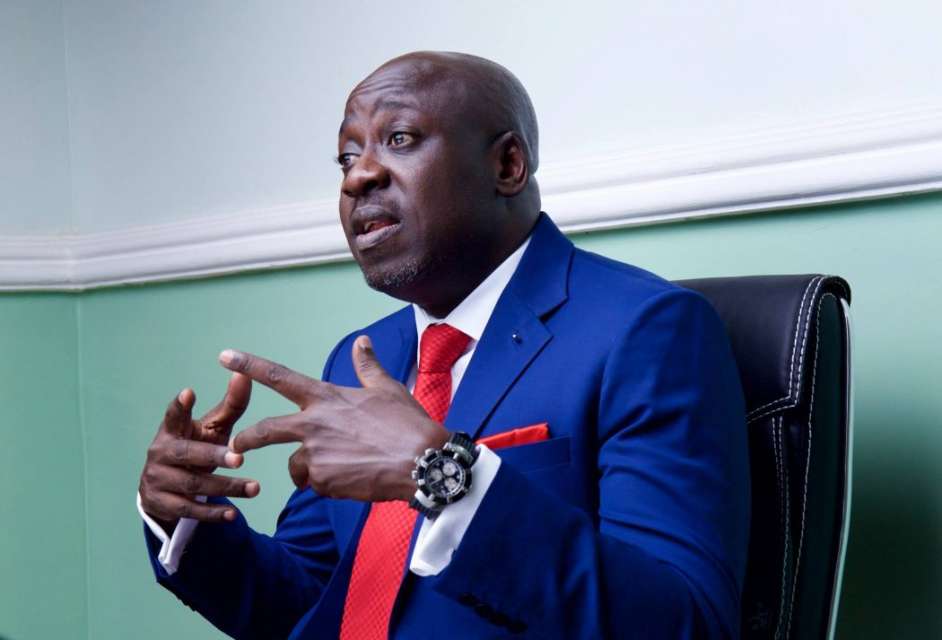
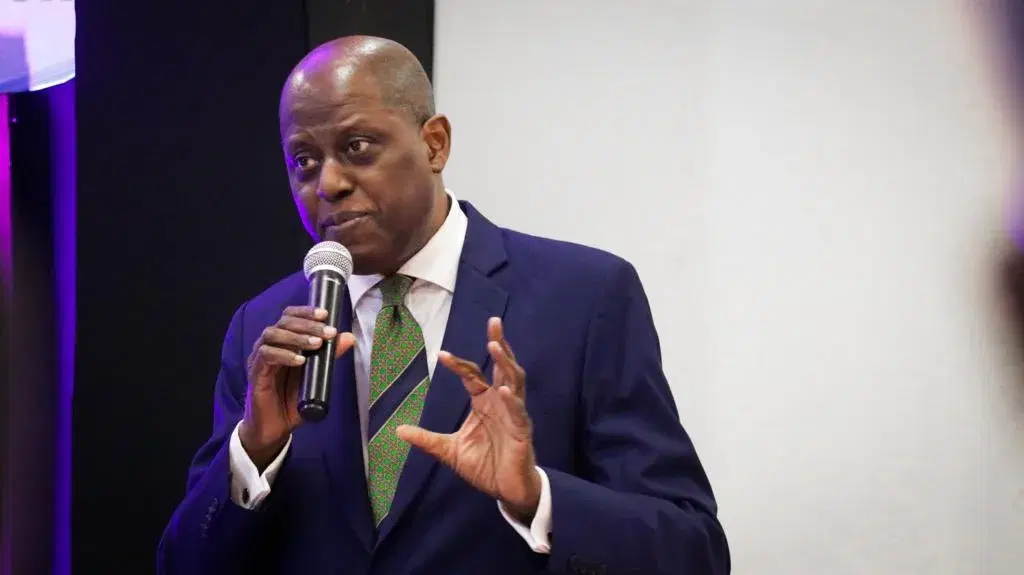
Students of the Department of Theatre Arts, Federal University, Lokoja (FUL), have deployed participatory drama to promote unity, peaceful coexistence and community development among residents of Karaworo Community in Lokoja as part of their 2026 Community Theatre Project.
The 300-level students, through a series of stage performances on Saturday, highlighted how tribalism, disunity and a lack of cooperation contribute to the challenges facing communities, urging the residents to embrace dialogue and collective responsibility as pathways to sustainable development.
The dramas focused on self-help initiatives, communal harmony, and active citizen participation, while event stakeholders encouraged students to turn their artistic skills into viable businesses.
The vice chancellor of the university, Prof. Gbenga Ibileye, disclosed that Theatre Arts currently attracts more applicants than any other humanities course in the institution, stressing that the university’s relationship with the host communities should positively impact every aspect of society.
He commended the Etsu Lokoja, HRH Emmanuel Akamisoko Dauda-Shelika, Yampa IV, for his warm reception and noted that the community theatre initiative enables residents to rediscover their strengths and identify solutions they can implement without waiting entirely on government intervention.
Prof. Ibileye advocated the establishment of a joint university-community committee to monitor identified gaps and channel them to appropriate authorities for necessary action.
Describing the programme as “cherished and enviable,” the Vice Chancellor urged students to leverage their training to achieve self-reliance and create jobs.
“This is something that would give you food and a quality livelihood. It will make you your own employer and, if diligent, employer of several other people,” he said.
He challenged students specialising in costume design, stage production, playwriting, makeup, and event coordination to commercialise their talents.
“Why are you looking for a job? The job is in you. You should be able to use your skill to earn a living and employ people,” he added.
Head of the Department of Theatre Arts, Dr Felix Egwuda, explained that the exercise forms part of a six-credit course for the participating 300-level students and contributes to their examination scores.
According to him, the project is executed in two phases: raising awareness within the community and conducting follow-up visits to evaluate actions taken by both residents and government authorities.
“If government is not doing it, they should do it,” he said, noting that issues such as roads and water supply could also be addressed through collective community efforts.
Chairman of the 2026 Community Theatre Project Planning Committee, Prof. Awam David Menegbe, said the students first gathered data on prevailing issues before producing dramas tailored to address them.
“We have come to sensitise the people about the necessity for self-help, cooperation and communal efforts towards community development,” he stated.
He noted that the outreach to Karaworo followed previous engagements in Lokongoma, Ganaja and Adankolo communities.
Prof. Menegbe described Karaworo residents as the most receptive community he had encountered in more than four decades, praising them for providing accommodation and financial support for the project.
Mr Emmanuel Sunday Ikpelemoh explained that FUL’s curriculum incorporates community theatre as a tool for examining socio-political and cultural issues alongside residents and jointly developing solutions through drama.
He disclosed that follow-up visits to previous host communities, including Adankolo and Ganaja, revealed improvements in sanitation, security and communal participation.
The event featured performances by 86 students from the Faculty of Theatre and Arts, each focusing on a specific challenge confronting the community.
One of the plays addressed the problem of inadequate potable water and the health risks associated with dependence on unsafe sources, including outbreaks of cholera.
Another dramatised the impact of poor road infrastructure on motorists and residents, while a third highlighted the effects of unstable electricity supply.
A student participant, Yakubu Paul, said the central message of the performances was the need for unity and collective responsibility. “If they could be united, drop pride, tribalism and religion, come together and discuss, they could help themselves and then go to the right leaders,” he said.
The productions also emphasised the importance of doing what is right even when no one is watching. The Etsu Lokoja, HRH Emmanuel Akamisoko Dauda-Shelika, expressed delight at hosting the university, noting that the students had effectively identified the community’s challenges while promoting harmony among residents.
“There is no human being called government. You can’t go to any office and say, ‘I’ve come to arrest the government.’ We are the government,” the monarch said. He urged residents to cultivate a stronger sense of communal responsibility, adding that society thrives when people desire for others the same benefits they seek for themselves.
The royal father also commended Governor Ahmed Usman Ododo for his efforts to improve water supply in Lokoja, ensure prompt payment of workers, and maintain relative peace in the state.
The Department of Theatre Arts reaffirmed its commitment to sustained follow-up mechanisms to ensure that recommendations from the project are pursued and progress monitored in the years ahead.