…Unveils 505kWp solar mini-grid in Epe
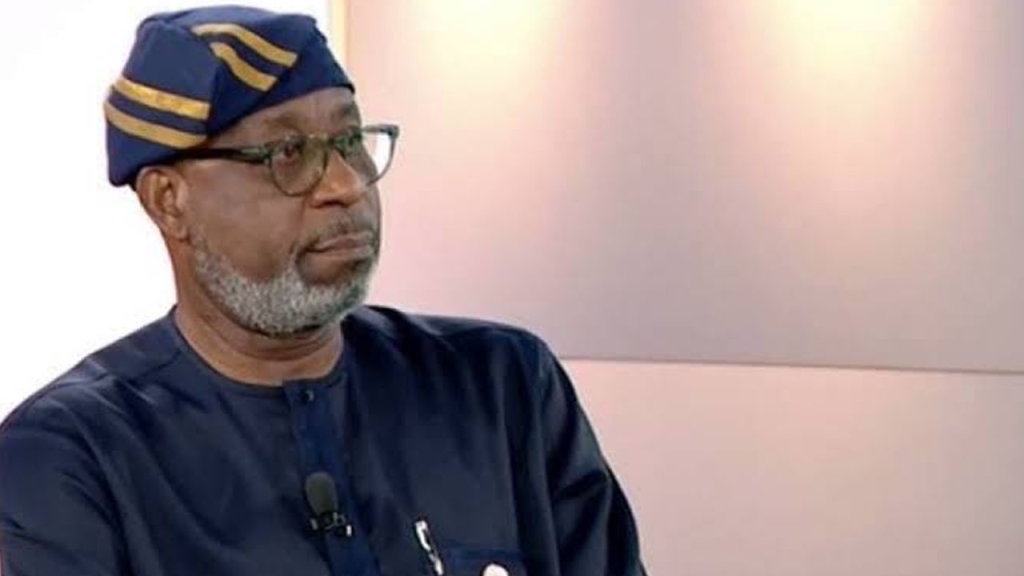
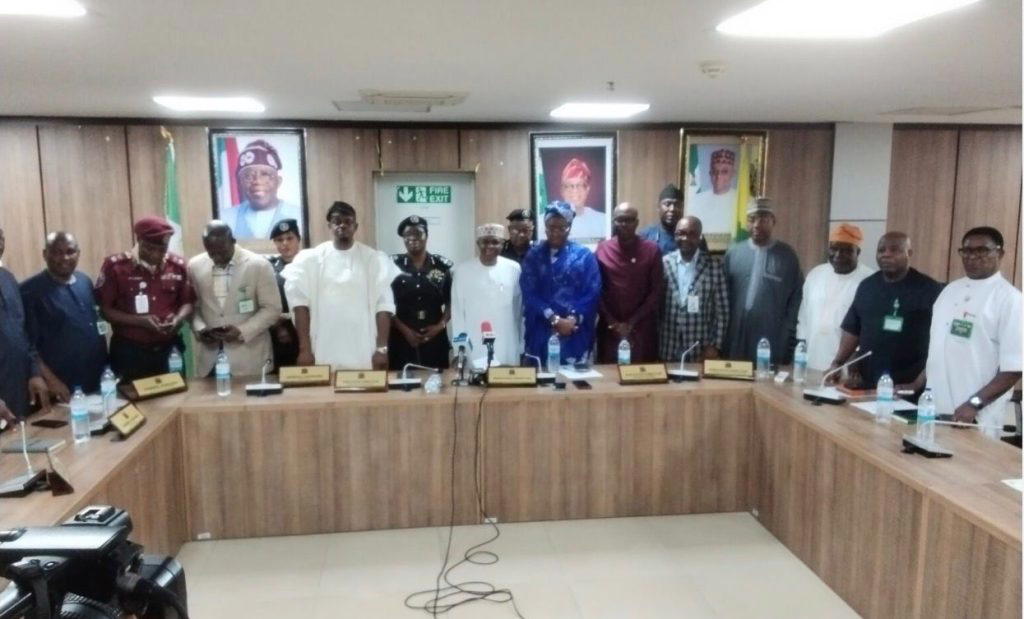
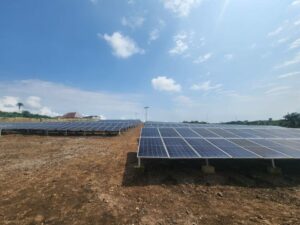
The minister of Power, Joseph Tegbe, has said that initiatives by the Rural Electrification Agency (REA) are improving the living standards of Nigerians, as he commissioned a 505kWp interconnected solar mini‑grid in the Eredo community of Epe, Lagos State.
Delivering the keynote address at the project commissioning, on Wednesday, Tegbe commended the agency’s recent evolution from “a body of admirable mandate but modest delivery” into an institution with a growing record of tangible outcomes.
“Community by community, kilowatt by kilowatt, life by life. Dr Abba Aliyu, your Agency, your team, and your developers deserve the gratitude of the nation,” he said.
The Eredo installation was developed under the Interconnected Mini‑Grid Acceleration Scheme (IMAS), a programme enabled by the Electricity Act 2023, which decentralised aspects of electricity governance and expanded opportunities for private investment in the sector.
Tegbe said REA has a wide national footprint and is actively supporting more than 1,000 mini‑grid projects across Nigeria. He also singled out the World Bank‑supported DARES initiative, noting that it has pushed solar home systems to nearly 3.9 million Nigerians.
REA managing director/CEO Dr Abba Aliyu said electricity is the “ultimate catalyst for commercial competitiveness, job creation, and industrial wealth,” and announced plans to add about 5MW of renewable capacity in Epe and surrounding economic clusters.
The additional capacity, he said, will target agro‑processing, cold‑chain facilities and local markets.
The Eredo project was delivered through collaboration between the federal government, the European Union, the German Government (through GIZ/NESP), and private developers, crafting what stakeholders described as a commercially viable, subsidy‑independent model.
CEO of project developer A4&T Solutions, Ayo Ademilua, recounted a four‑year development process and outlined next steps, including the introduction of electric tricycles that will be powered directly by the mini‑grid.
He said the initiative is expected to cut local transport operating costs by about 40 per cent.
Ademilua also said traditional rulers in the area have allocated additional land to expand the mini‑grid to 1.5MW in the near term.
Speaking for Senator Tokunbo Abiru, Hon. Rotimi Abiru described the commissioning as an example of “visionary leadership and quality representation,” and highlighted the link between reliable power, economic growth and youth empowerment in the community.
“When we speak of electricity, we are talking about economic growth, job empowerment, and an avenue for the youths in the community to grow their potential,” Abiru stated.
Project documents and remarks at the commissioning indicate the Eredo mini‑grid will provide a mix of residential and commercial supply, but did not specify tariff levels or exact connection targets.
Representatives of the developer and REA said operators will announce customer enrolment procedures and commercial terms in the coming weeks.